

How to Prepare Blackbuck After a Hunt
Table of Contents:
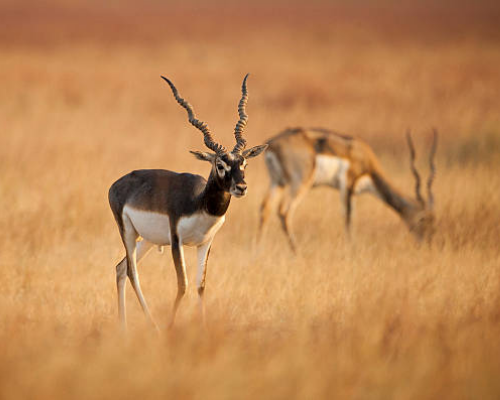
The blackbuck, also called the Indian Antelope, is a small species of antelope that is native to Nepal and India. With the average blackbuck only weighing between 80 and 90 pounds, the meat yield from a blackbuck is about 30 to 40 pounds of boneless meat. This is not much compared to many other mammal species that are commonly hunted in South America, but the meat from a blackbuck is good quality and still a significant enough amount to make hunting them worthwhile. Blackbuck antelope meat is very lean and can be described as tender and mild. In addition to being relatively low in saturated fat, antelope meat is an excellent source of protein, B-vitamins, and the minerals iron and zinc. It is typically a lighter pink color than venison and has a finer texture. Since blackbucks are grazers, their meat usually has no gamey flavor. Blackbuck meat is considered by many to be the best of all the species of antelope.
Preparing the Meat in the Field
Preparing the meat from a blackbuck is similar to the field dressing process for deer, only on a smaller scale. This process entails gutting, hanging, skinning, and butchering. The order of these steps can vary based on the hunter's preference. However, when you remove the hide from a blackbuck, be sure to save it because they are known for their beautiful coloring. Their signature brown and white hides can be turned into stunning rugs and throw pillows.
Step #1
For an antelope, the processing usually begins by gutting the animal and hanging it up by its hind legs. A tree with low enough limbs can be used for this if you are processing antelope in the field. A tree also makes for a good hanging spot as it is shaded which aids in the extremely important step of cooling the meat. While it is common to skin the blackbuck prior to hanging it, it makes it much easier to skin it if it is already hanging. You can even speed up the process by using a knife to remove the skin from about half of the body, then attach it with rope to a vehicle to pull the rest of the skin free.
Step #2
After the hide is removed, the next step is to begin breaking down the meat. While the blackbuck is still hanging, start by removing the front quarters. As you go, you can place the separated meat in bags and hang them in the shade to continue cooling. Then proceed to remove the heart, tenderloins, backstraps, all trim meat, and lastly the hind quarters. When you get to the hind quarters, be sure to cut through the tendon that connects it as this will loosen it up.
Step #3
Next, you will pack the meat into a cooler, being sure to keep it off the bottom of the cooler to keep everything dry. As you pack the cooler, try to keep as much air flow around the meat as possible. To do this, keep the ice on top since cold air sinks. You can also wrap the outside of the cooler in a blanket to add an extra layer of insulation. This setup will keep the meat good in the field until you are able to butcher the meat with more detail at home and properly package the meat into freezer bags and store it in a freezer.
Cooking the Meat
Now for the fun part, there are hundreds of delicious antelope recipes from stews and chilis to steaks and roasts. While preparing quality cuts like the backstraps, filets, or chops, it is recommended to never cook it further than medium-rare. This will keep the meat the most tender and juicy. The final internal temperature should ideally be around 130 degrees F. When searing the meat in a pan with oil and seasoning, usually 4 to 5 minutes on each side is good. Other parts of the blackbuck that have more connective tissue such as the sirloin roasts, shanks, and neck are perfect for slow cooking. Antelope ground meat can be made into some of the most amazing burgers and chilis. Some more favorite antelope meat recipes include antelope meatloaf, kabobs, meatballs, stuffed mushrooms, and fajitas.
Try it for Yourself!
Book your trip today to hunt blackbuck antelope in Argentina with South American Adventure Safaris. La Pampa, Argentina is one of the best places in the world to hunt blackbuck. The mostly flat terrain and large antelope population sets you up for big success. This unique experience is sure to be one you never forget and you can leave with some of the most delicious meat you have ever tasted. There is nothing better than cooking up your own freshly hunted blackbuck.
Hunting Programs - Argentina
Season: March – July
- 6 Nigths and 5 Hunting Days
- One free range Red Stag trophy (no limit on score)
- Full board lodging – Open Bar
- One-on-one guiding